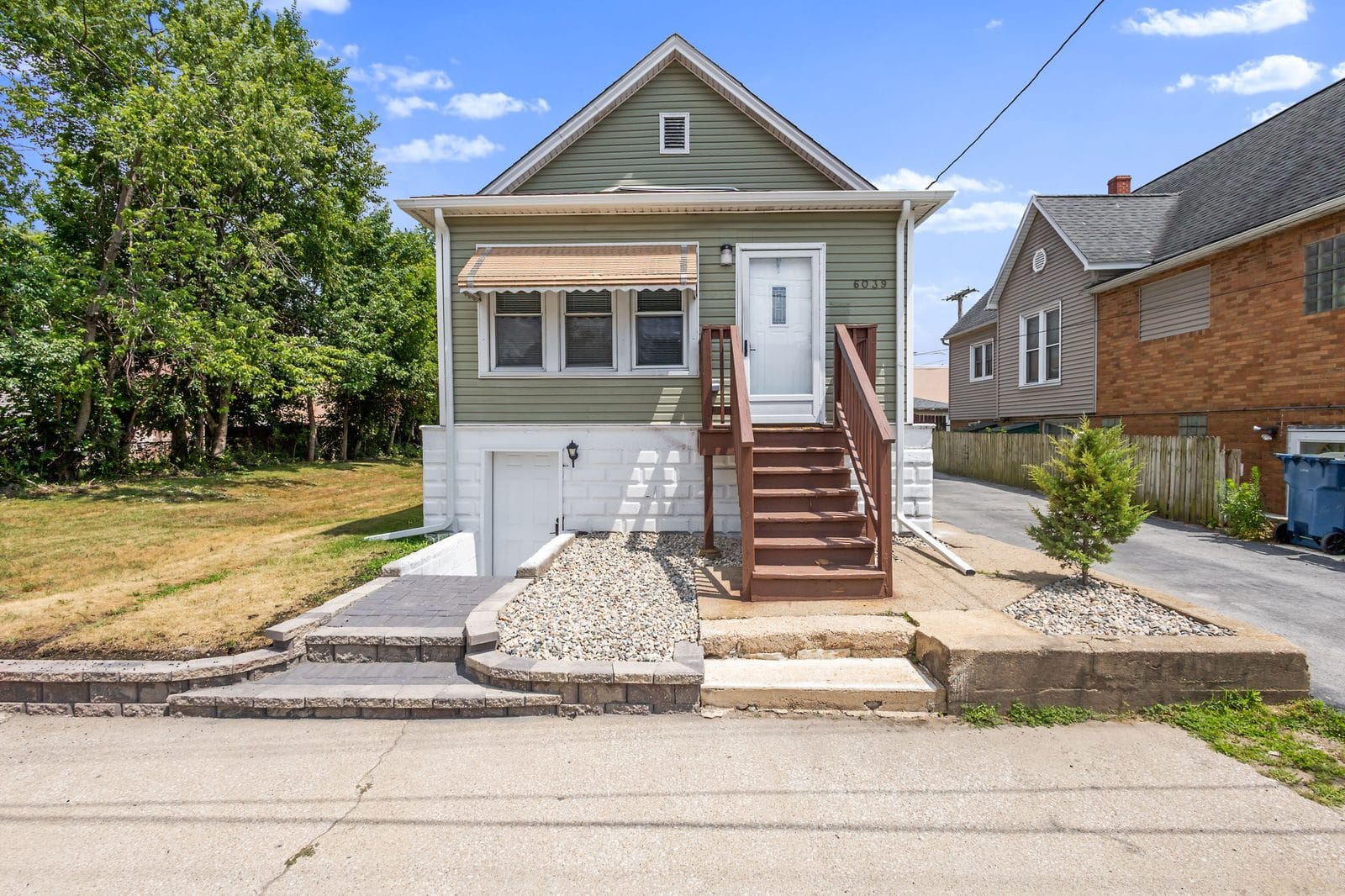
Re-entry housing programs Indiana offers can make or break the first few months after incarceration — coming home is one of the hardest transitions a person can face, and where you land in those first few weeks often shapes everything that follows. If you’re exploring options in Hammond, Indiana, here are five things worth understanding before you choose a program.
1. Stable Housing Reduces Recidivism
Criminal justice researchers have consistently found that stable housing is one of the strongest predictors of successful re-entry. People who have a safe, consistent place to live are far better positioned to hold down a job, attend required check-ins, manage healthcare needs, and rebuild relationships — all of which lower the odds of returning to the system. Housing instability, on the other hand, tends to compound every other challenge re-entry brings. This is why housing is treated as a foundation in re-entry planning, not an afterthought.
2. What a Supportive Re-Entry Home Actually Provides
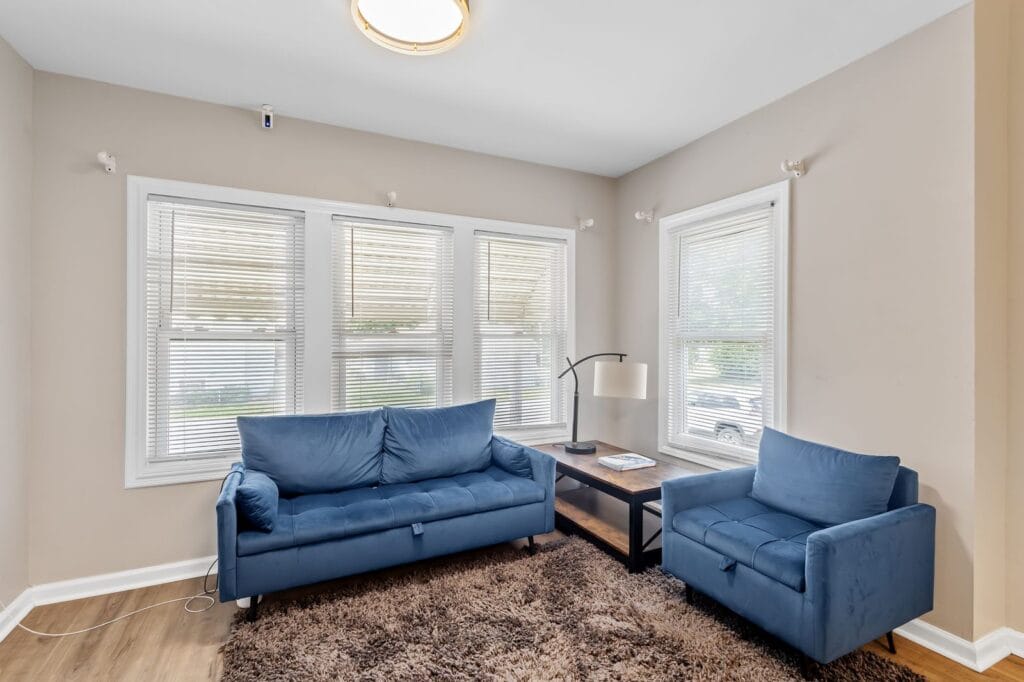
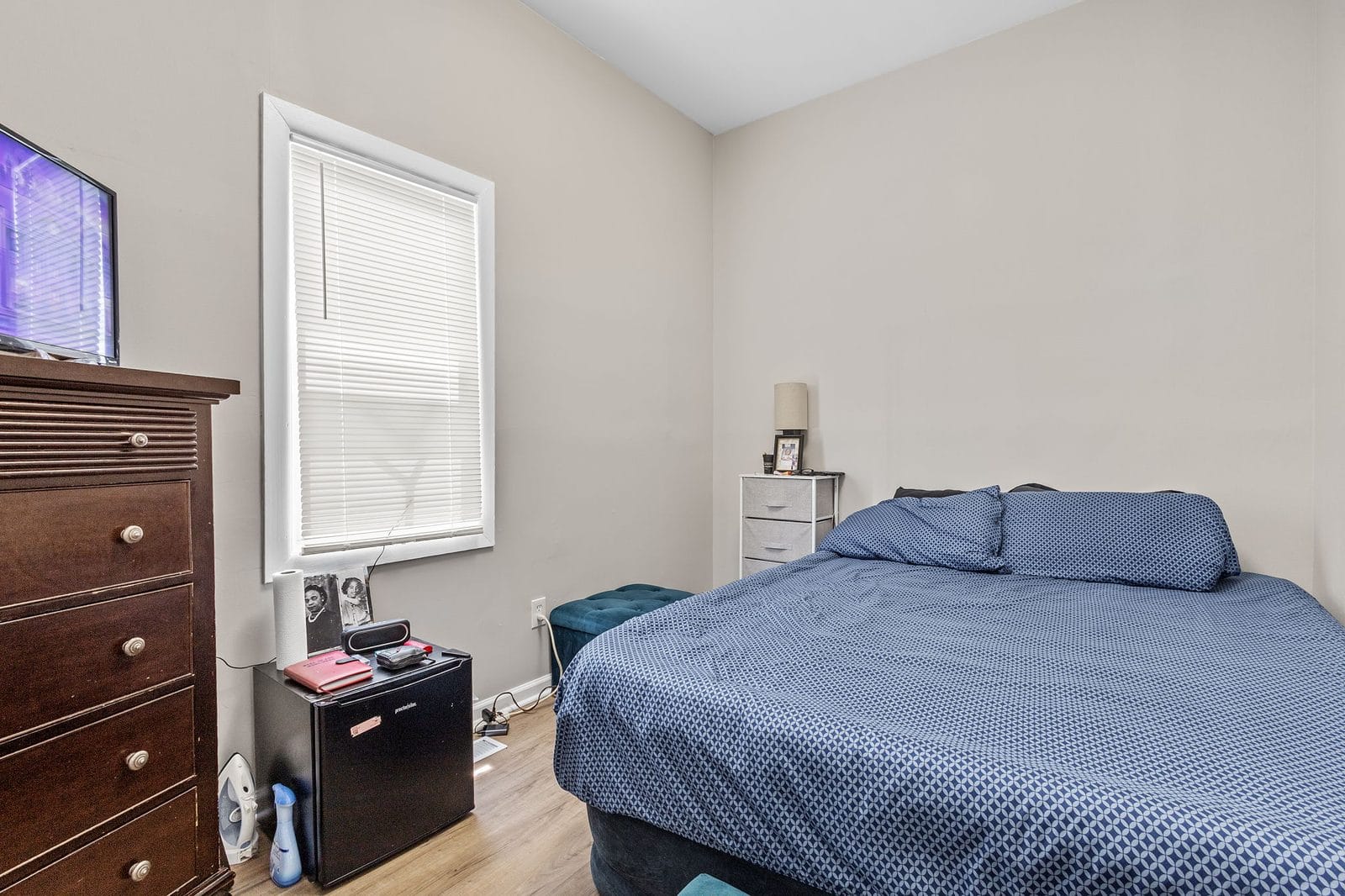
A good re-entry home offers more than four walls. It provides a furnished, private bedroom in a stable environment, a community of neighbors and staff who understand the transition, structure that supports (rather than restricts) rebuilding a routine, and a drug- and violence-free setting where residents can focus on employment, healthcare, or education without added chaos at home.
3. How Affordable Living Structures Re-Entry Housing
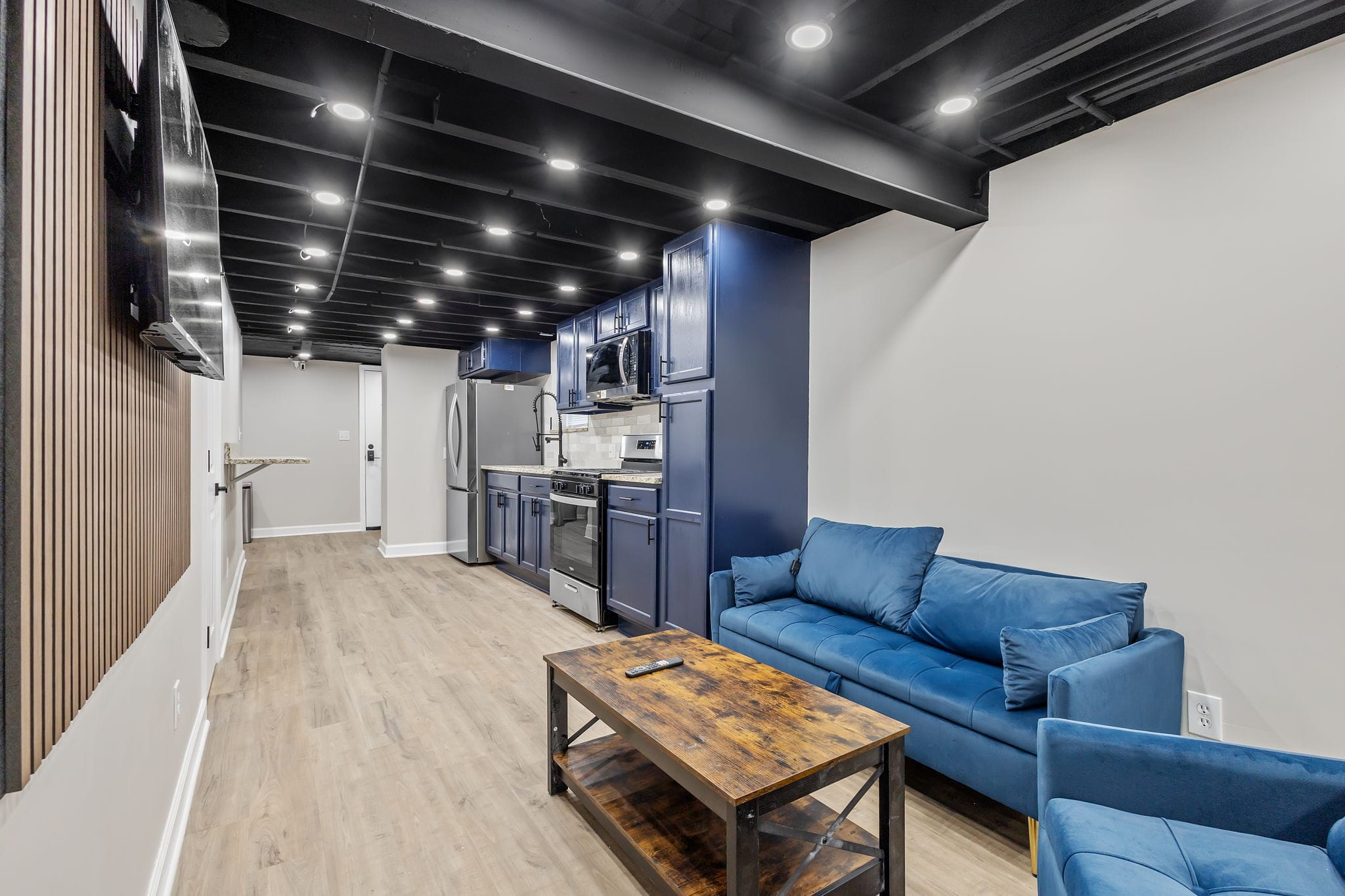
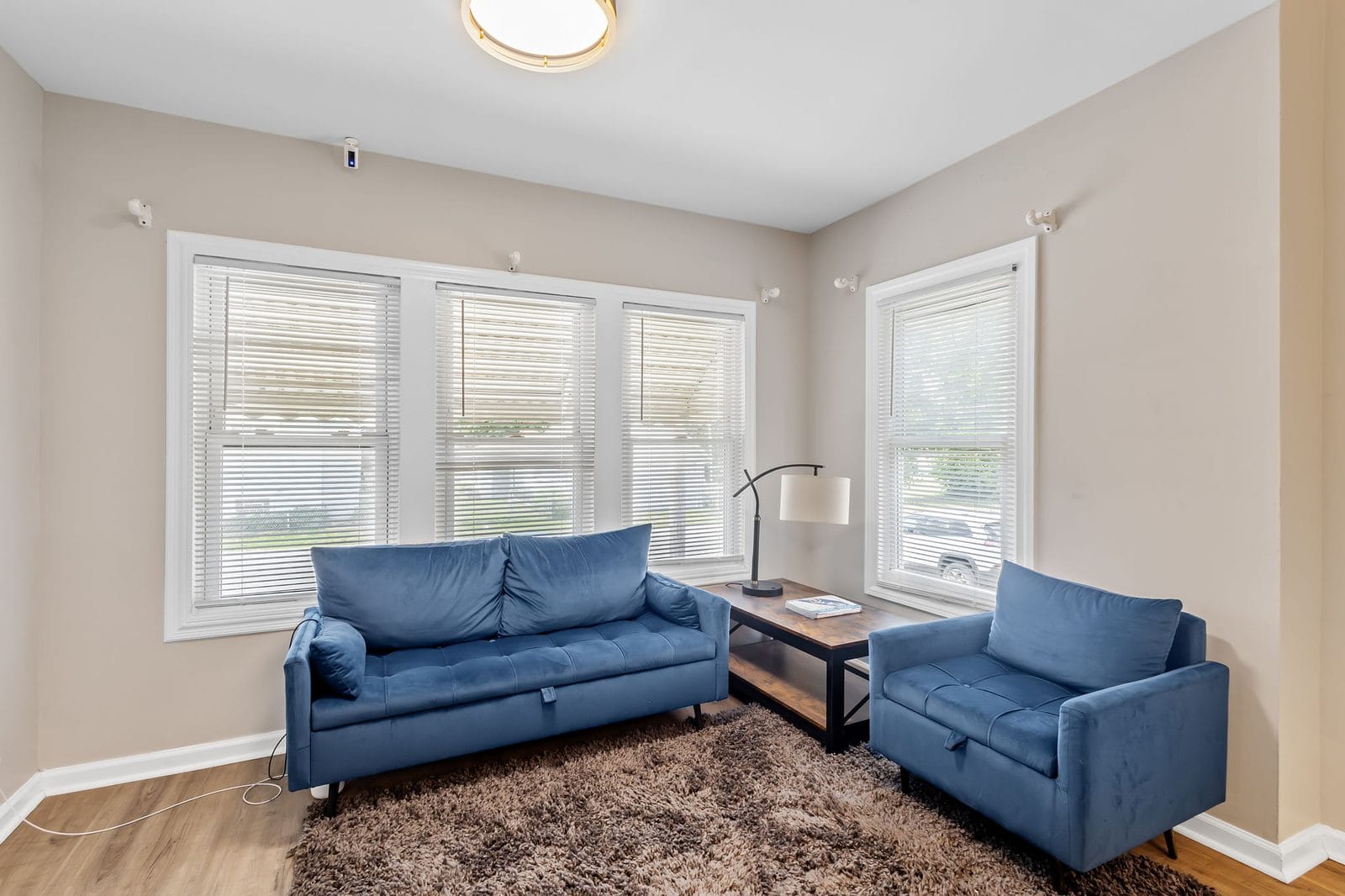
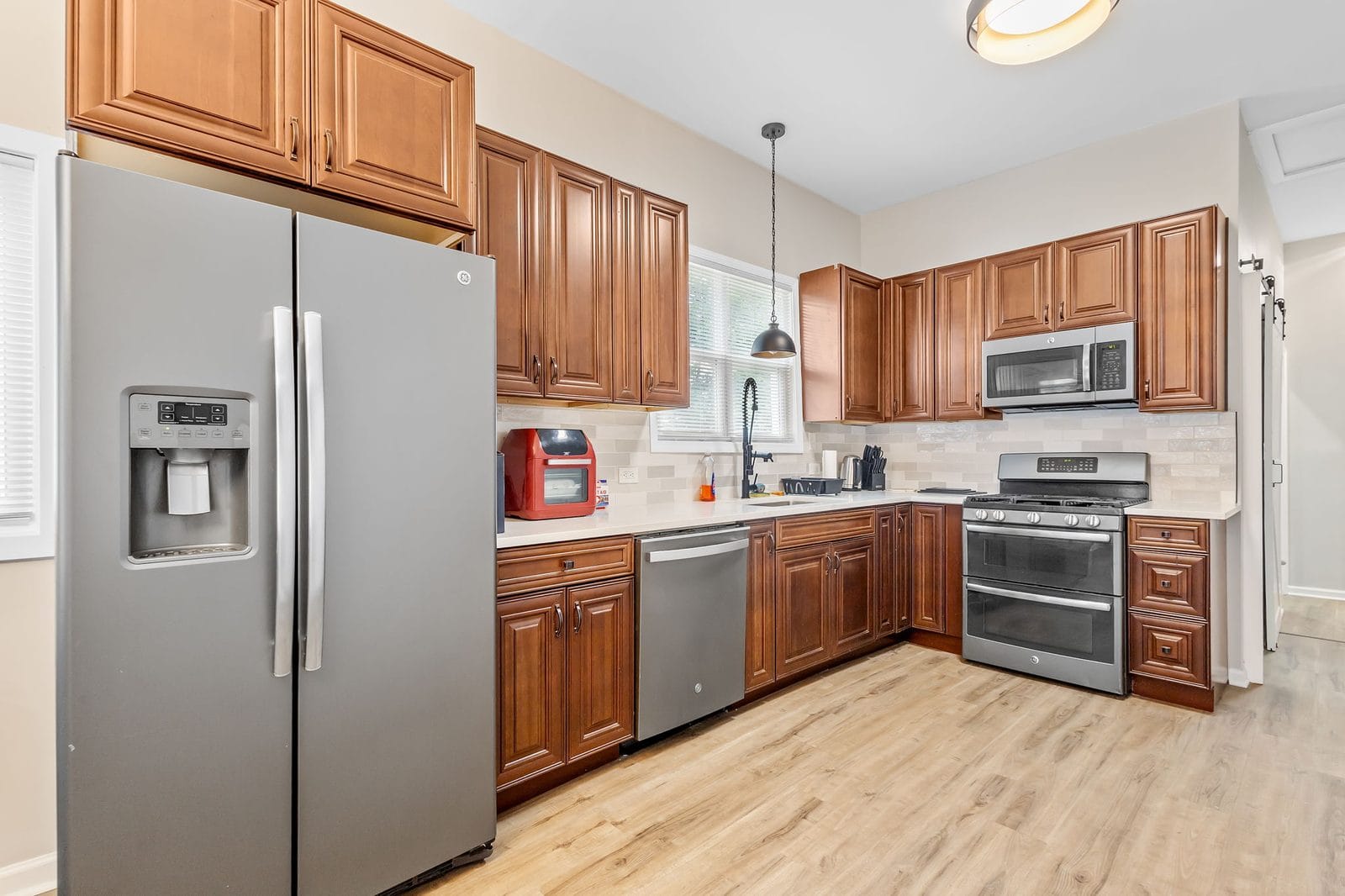
At Affordable Living Company, re-entry residents get their own furnished private bedroom, access to shared kitchen and common spaces, and a supportive community rather than an isolated apartment. We keep costs affordable so residents can direct their income toward getting back on their feet — a job, a car, savings — instead of a large security deposit and utility setup. There’s no requirement to already have everything figured out before you apply; the goal is to give you room to build from a stable starting point.
4. Common Misconceptions About Re-Entry Housing
A few myths keep people from reaching out. One is that re-entry housing means strict, institutional living — in reality, Affordable Living homes are furnished, comfortable, and residential, not clinical. Another is that you need a long waitlist or extensive paperwork before you can even ask questions — in practice, a single phone call is enough to start the conversation. And some assume affordable housing means low-quality housing; our homes are maintained, furnished, and genuinely livable.
5. How to Start the Process in Hammond, Indiana
Getting started is simple: call 219-200-0497 or fill out our confidential intake form. Our team will walk you through availability and next steps, and move-in can often happen quickly once you’re approved. You don’t have to navigate re-entry housing alone — reach out to Affordable Living Company or learn more about our full range of housing services to see what fits your situation.
Re-Entry Housing Programs Indiana Residents Can Also Turn To
Affordable Living is one option among several re-entry housing programs Indiana offers, and it’s worth knowing what else exists before you commit to a path. The National Reentry Resource Center maintains a broader directory of housing, employment, and support services for people returning from incarceration, organized by state, so you can compare what’s available beyond any single provider, weigh distance from family or work, and see which program’s rules and structure actually fit your day-to-day life.
Whether or not Affordable Living ends up being the right fit, having more than one option can make the search feel less all-or-nothing — and knowing what’s out there is itself a form of stability. The goal isn’t to steer you toward one path, but to make sure you’re choosing from a full picture rather than whatever you happen to find first.
Related reading
If you are also looking at subsidized options, see our guide to low-income housing in Hammond, Indiana — including current waiting list status and what to do while lists are closed.
Housing for your situation
We have a dedicated page for each group we house, with pricing, FAQs and how to apply:
- Transitional housing in Northwest Indiana
- Shared housing for veterans
- Shared housing for seniors on a fixed income
- Re-entry housing after incarceration
- Housing for domestic violence survivors
- Areas we serve across Northwest Indiana
However you get there, the goal of re-entry housing programs Indiana families and returning citizens rely on is the same: a stable place to land while everything else gets sorted out. If you’re comparing re-entry housing programs Indiana offers right now, take your time — the right fit matters more than the fastest yes.
Re-Entry Housing Programs: FAQs
How do re-entry housing programs work in Indiana?
Re-entry housing programs give people leaving incarceration a stable place to live while they find work and reconnect with family. Some are run by nonprofits with set program rules; others, like ours, are simply affordable rooms with no long lease.
Do re-entry housing programs cost money?
Some re-entry housing programs are funded and free for a period; others charge rent. Our rooms in Hammond cost $750 a month with utilities included.
How do I find re-entry housing programs near Hammond?
Ask your parole or probation officer, call Indiana 211, and contact us directly. Re-entry housing programs fill up, so start before your release date.
Can I move in right away after release?
If a room is open, yes. We have no waiting list, and many residents move in within days of their first call.