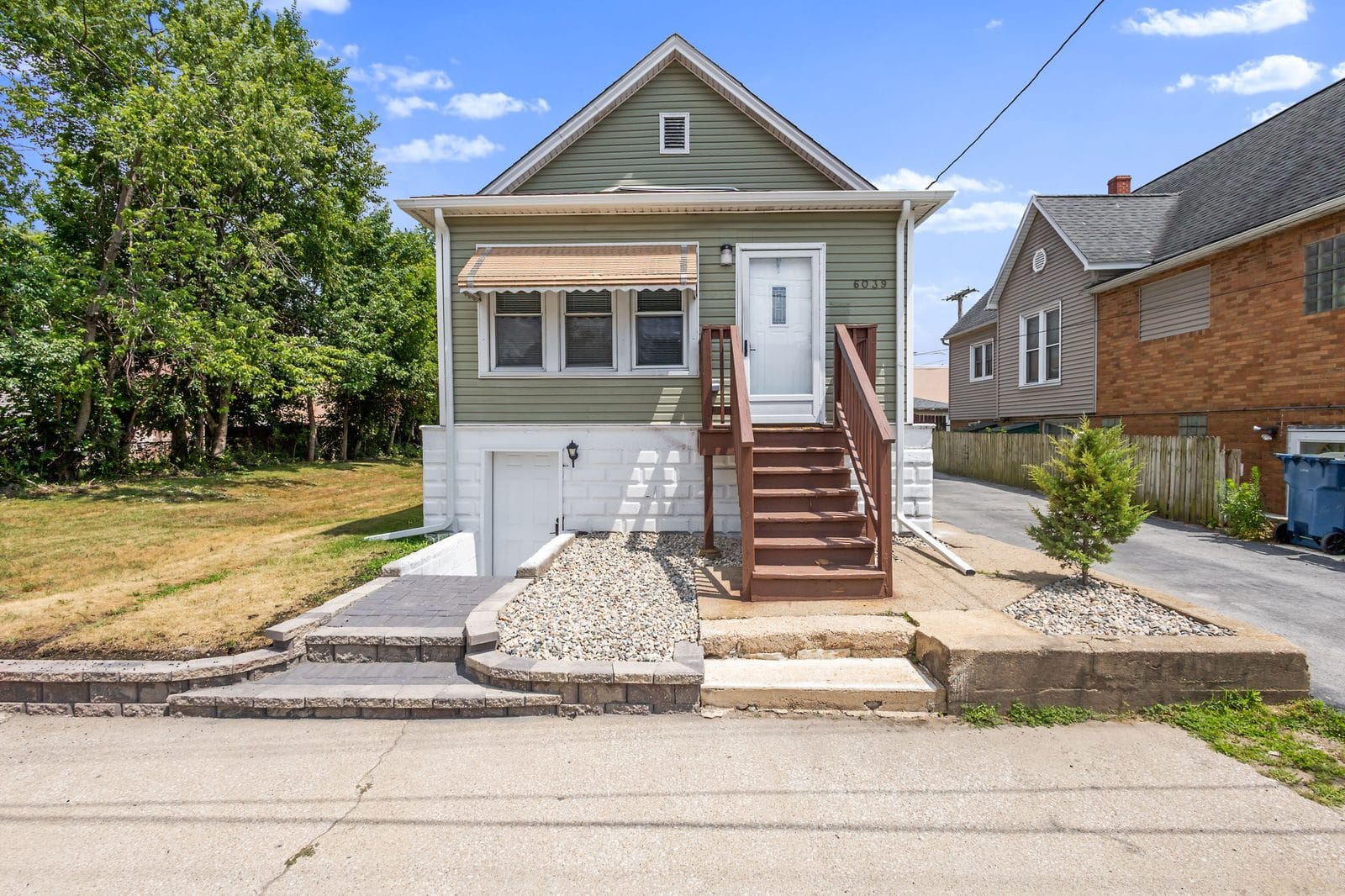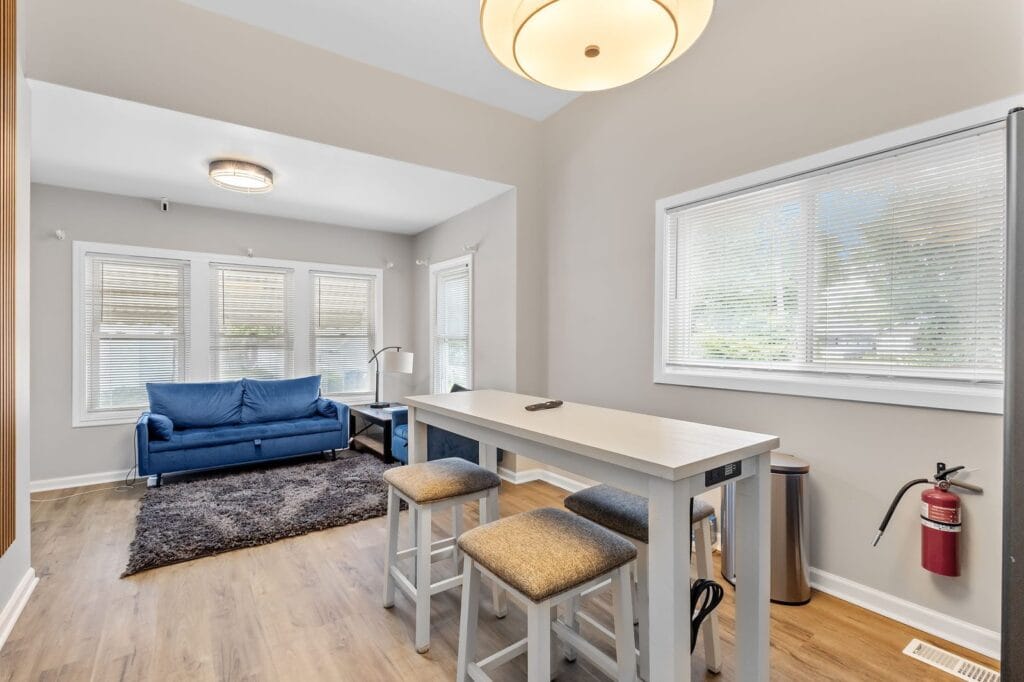
Community living in Indiana is worth understanding as an option, especially as housing costs continue to rise. As housing costs continue to rise, more people are exploring alternatives to traditional apartment and home rentals. One option gaining popularity throughout Indiana is community living—a housing arrangement that combines personal space with shared amenities and a more connected living environment.
Whether you’re looking to reduce housing expenses, meet new people, or find a flexible living arrangement, community living can offer a practical solution. Understanding how it works, its potential benefits, and what to consider before moving in can help you determine if it’s the right fit for your lifestyle.
What Is Community Living?
Community living refers to housing arrangements where residents have their own private or semi-private living space while sharing common areas with others.
Depending on the property, shared spaces may include:
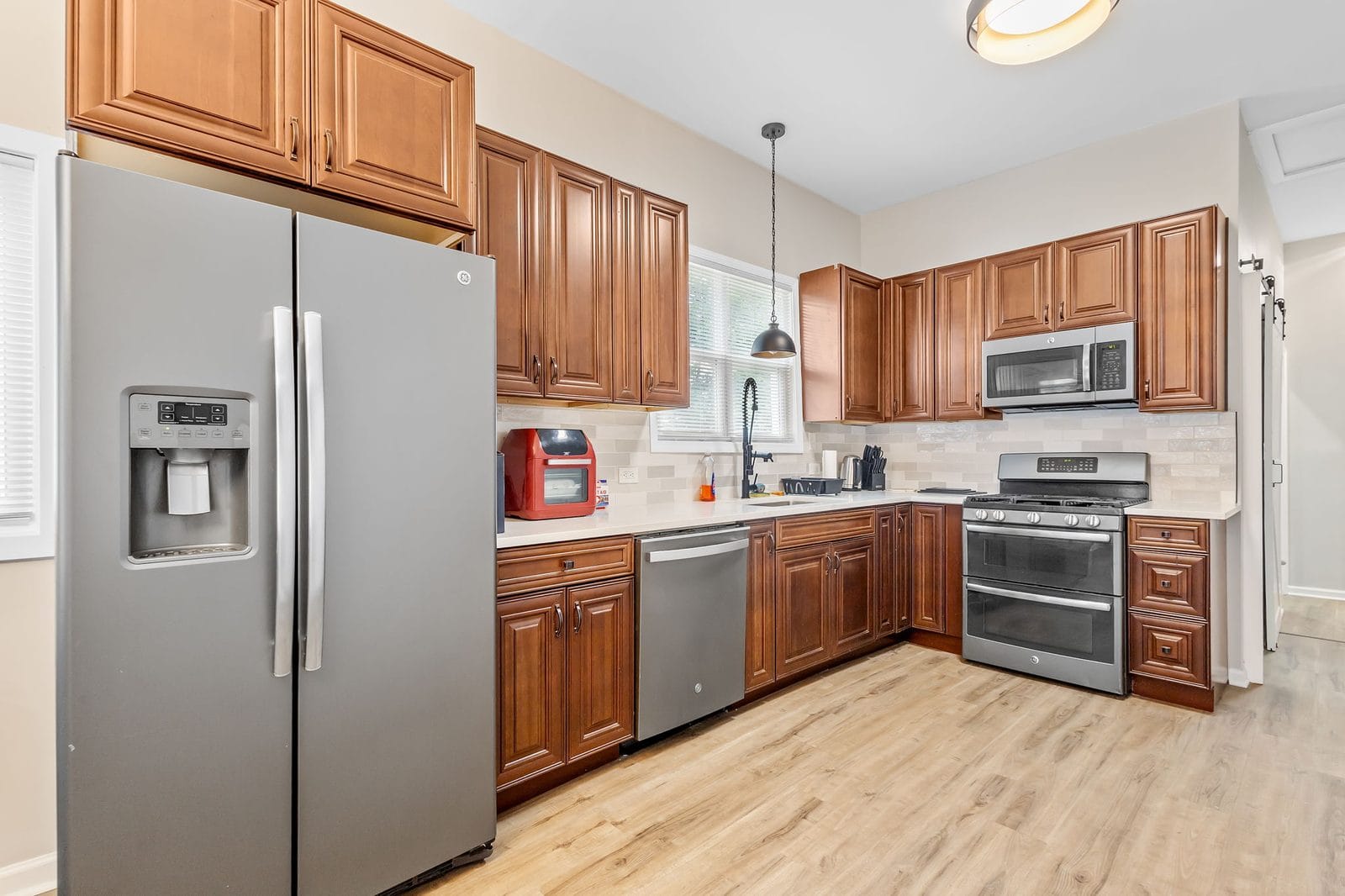
- Kitchens
- Living rooms
- Dining areas
- Laundry facilities
- Outdoor spaces
- Parking areas
Community living can take many forms, including:
- Shared housing
- Co-living homes
- Private room rentals
- Furnished room rentals
- Workforce housing
- Transitional housing arrangements
While every property is different, the goal is often to create an affordable and comfortable living environment that encourages respectful interaction among residents.
Benefits of Community Living
Lower Housing Costs
One of the biggest reasons people choose community living is affordability.
Because common spaces and household expenses are shared, residents can often enjoy lower monthly housing costs compared to renting an entire apartment or house.
Potential savings may include:
- Lower rent
- Reduced utility expenses
- Shared internet costs
- Lower move-in costs
Access to More Amenities
Community living often provides access to amenities that may be difficult to afford independently.
These can include:
- Fully equipped kitchens
- Furnished common areas
- Laundry facilities
- High-speed internet
- Outdoor gathering spaces
Sharing these resources can improve overall value while keeping housing expenses manageable.
Flexibility
Many community living arrangements offer greater flexibility than traditional rental agreements.
This can be particularly helpful for:
- Students
- Working professionals
- Individuals relocating
- Temporary workers
- First-time renters
Flexible housing options can make transitions easier during changing life circumstances.
Sense of Community
Unlike traditional apartment living, community housing often creates opportunities for residents to interact and build connections.
While everyone’s experience is different, many residents appreciate living in an environment where shared spaces encourage respectful social interaction and cooperation.
What Does Community Living Cost?
Costs vary depending on location, amenities, and housing type.
Factors that may influence pricing include:
- Room size
- Furnished versus unfurnished accommodations
- Utilities included
- Internet access
- Property location
- Shared amenities
In many cases, community living remains one of the more affordable housing options available because costs are distributed among multiple residents.
Types of Community Living Options
Private Room Rentals
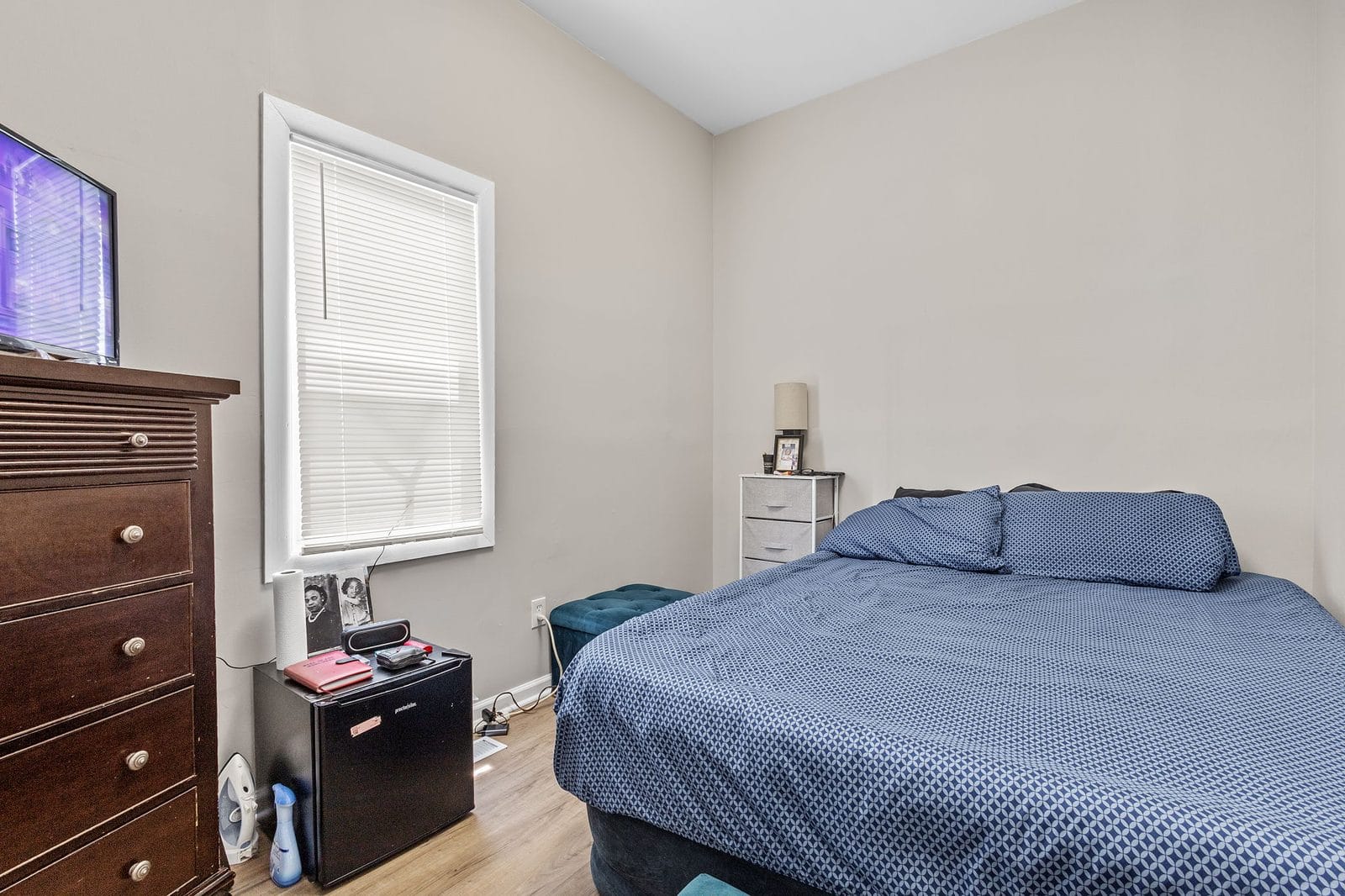
Private room rentals provide residents with their own bedroom while sharing common areas.
Benefits include:
- Personal privacy
- Lower rent
- Shared household amenities
- Flexible housing arrangements
Shared Housing
Shared housing typically involves multiple residents living within the same home while dividing household expenses.
This arrangement can help reduce overall housing costs while maintaining access to larger living spaces.
Furnished Room Rentals
Furnished accommodations can simplify the moving process by providing essential furniture and reducing upfront expenses.
Many furnished community living arrangements include:
- Bed and mattress
- Storage furniture
- Desk and chair
- Shared amenities
Workforce Housing
Community-oriented workforce housing may provide affordable accommodations for working individuals who want convenient access to employment opportunities.
How to Find the Right Community Living Arrangement
Understand Your Budget
Determine how much you can comfortably spend each month on housing and related expenses.
Be sure to consider:
- Rent
- Utilities
- Transportation
- Internet
- Other living expenses
Consider Your Privacy Preferences
Some community living arrangements offer private bedrooms, while others may involve more shared space.
Think about the level of privacy that best suits your lifestyle.
Review House Rules
Shared housing environments often have guidelines regarding:
- Guests
- Quiet hours
- Cleaning responsibilities
- Parking
- Common area usage
Reviewing these expectations beforehand can help avoid misunderstandings later.
Evaluate Included Amenities
Compare what each property offers, including:
- Furnishings
- Utilities
- Laundry access
- Internet service
- Parking availability
Properties that include more amenities may provide greater overall value.
Where to Find Community Living in Indiana
Community living opportunities can be found throughout Indiana, including:
- Northwest Indiana
- Indianapolis
- Gary
- Hammond
- Merrillville
- Crown Point
- Valparaiso
- South Bend
- Fort Wayne
- Lafayette
- Bloomington
Availability varies by location, but demand for affordable and flexible housing continues to increase across the state.
Who Is Community Living Best For?
Community living may be a good fit for:
- Students
- Working professionals
- Individuals relocating
- First-time renters
- Temporary workers
- Budget-conscious renters
- People seeking affordable housing alternatives
The right housing arrangement depends on personal preferences, financial goals, and lifestyle needs.
Final Thoughts
Community living in Indiana offers an affordable and flexible alternative to traditional rentals. By combining personal living space with shared amenities, these housing arrangements can help reduce costs while providing access to comfortable and practical living environments.
Whether you’re interested in private room rentals, shared housing, furnished accommodations, or workforce housing, exploring community living options may help you find a rental solution that aligns with both your budget and your lifestyle.
Looking for Housing in Hammond, Indiana?
Affordable Living Company offers safe, furnished, affordable shared housing in Hammond, Indiana. Start your application or call 219-200-0497 to learn more about availability.
For a broader look at affordable housing options statewide, the Indiana Housing and Community Development Authority is a useful starting point when weighing community living in Indiana against other options.
Community Living in Indiana: FAQs
What is community living in Indiana?
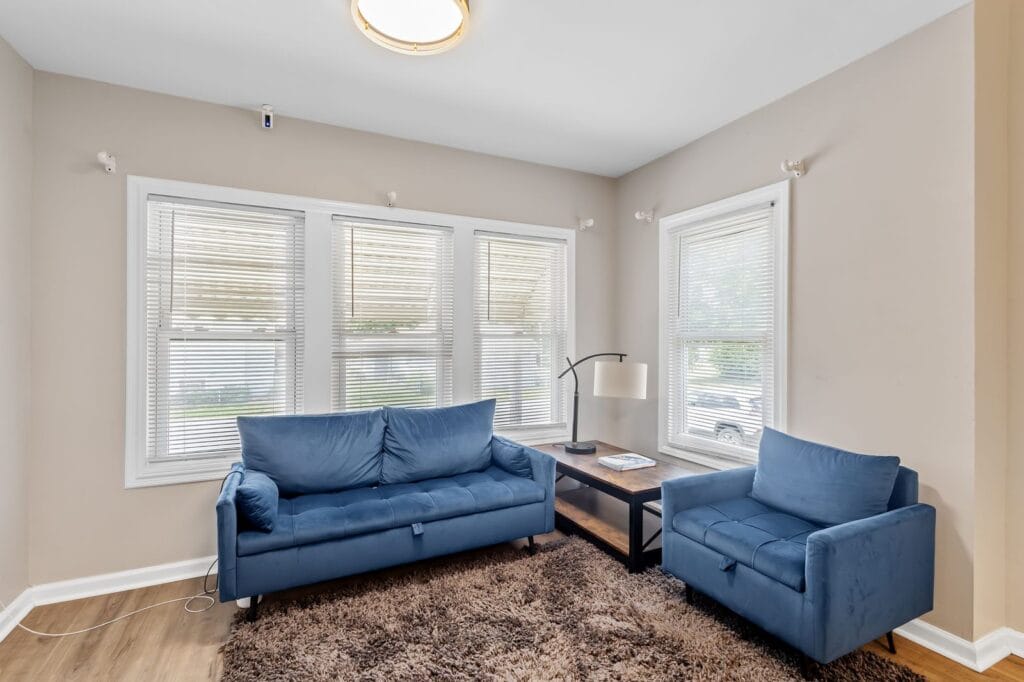
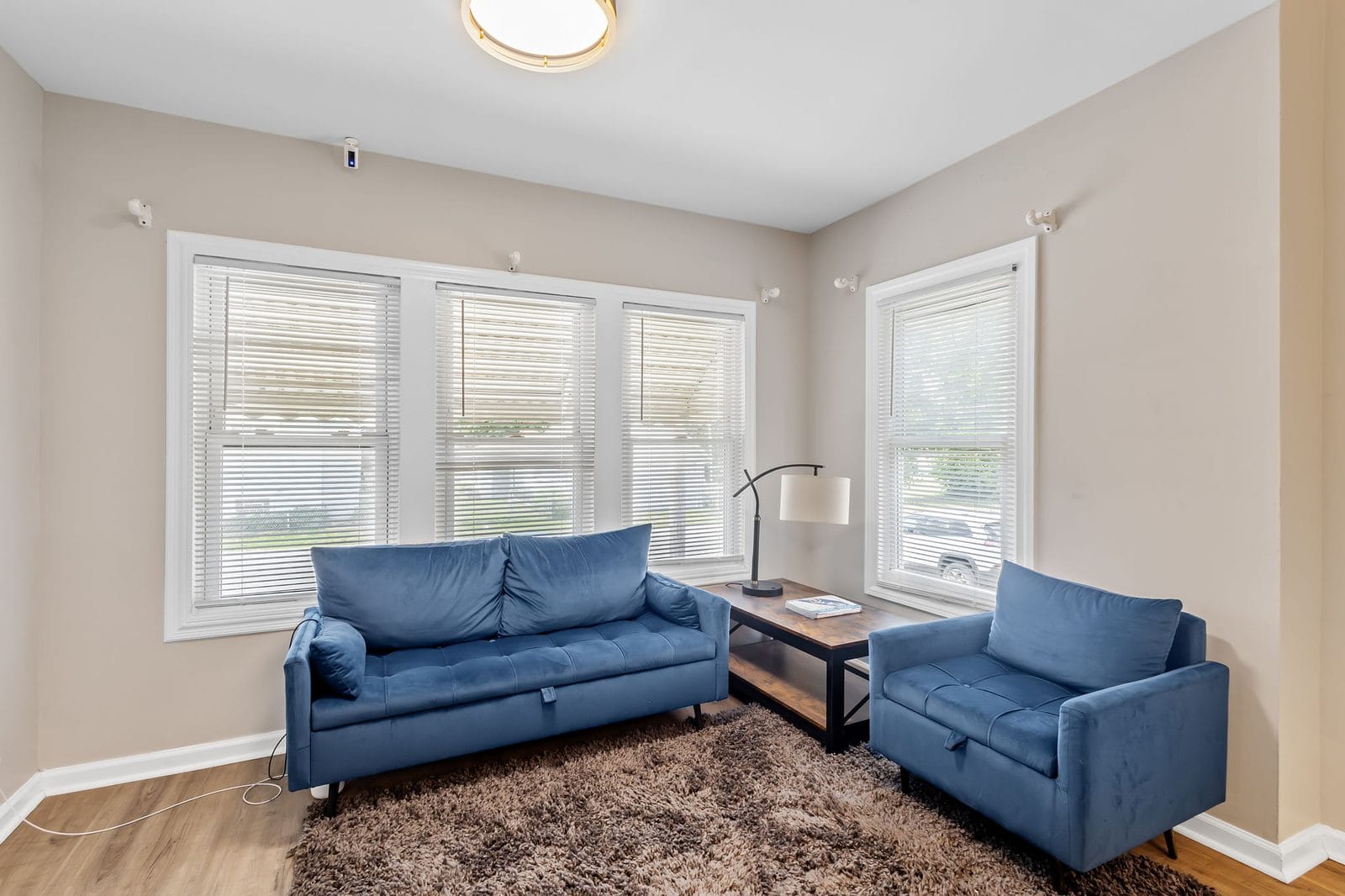
Community living in Indiana means sharing a home with other residents — each with their own space — while sharing kitchens, living areas and a sense of support.
How much does community living in Indiana cost?
Community living in Indiana is usually cheaper than renting alone. Our rooms in Hammond are $750 a month, all-inclusive.
Is community living in Indiana right for introverts?
Yes. Community living in Indiana still gives you your own room, so you can choose when to socialize.
Is community living in Indiana safe?
Community living in Indiana is safest in managed homes with clear rules. Ours are alcohol-free and drug-free.
How do I start community living in Indiana?
To start community living in Indiana with us, fill out our availability form or call or text 219-200-0497.