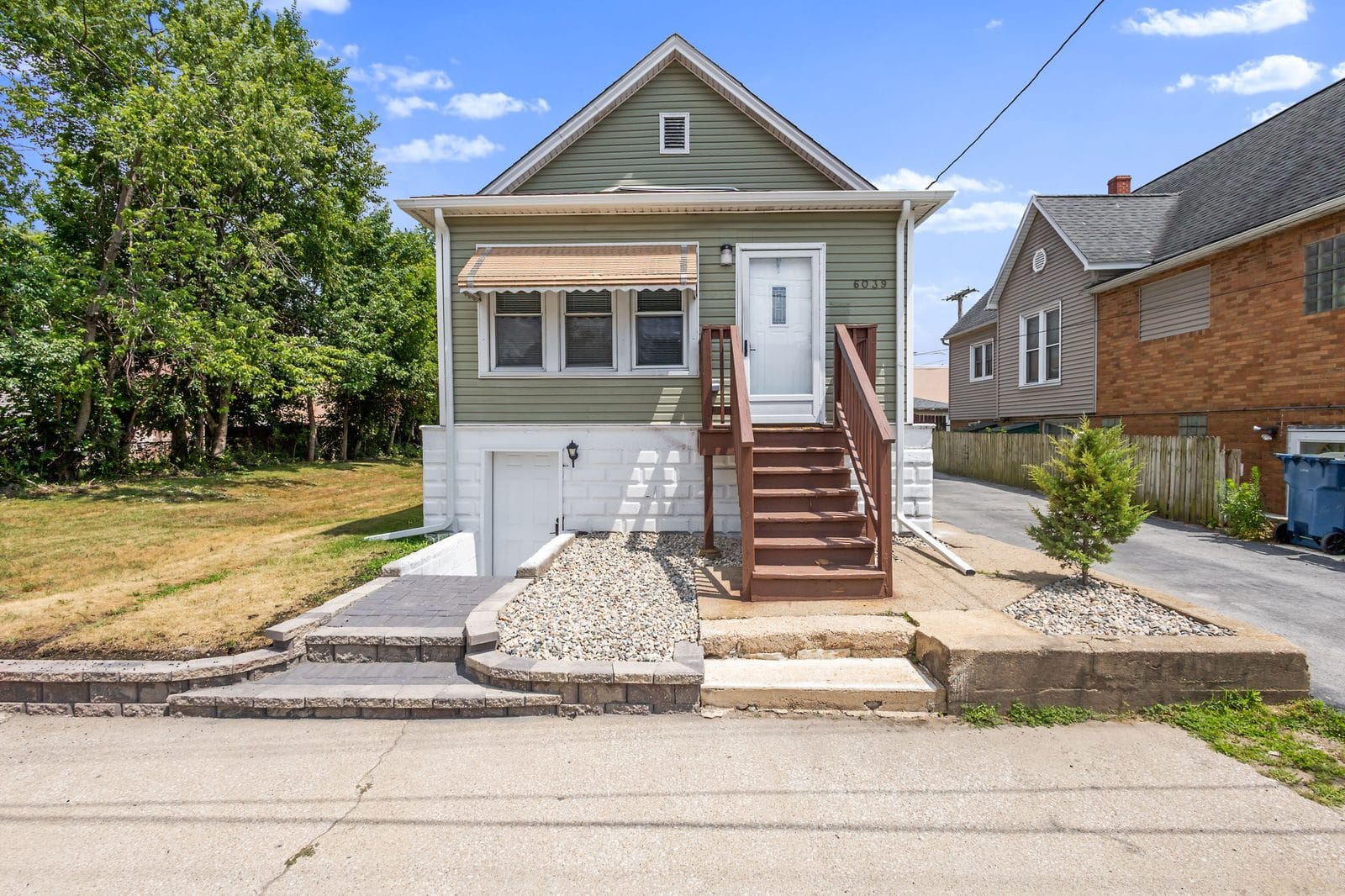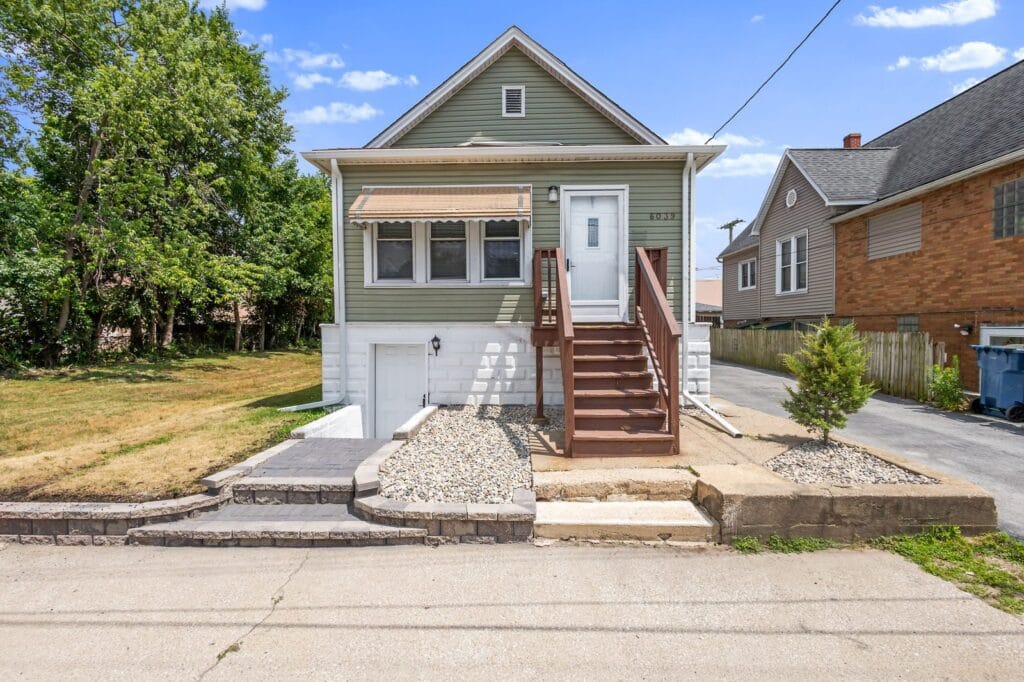
Affordable housing in Indiana is closer than many renters realize, once you know where to look. Finding an affordable place to call home can feel overwhelming, especially when housing costs continue to rise across the country. The good news is that Indiana remains one of the more affordable states in the Midwest, offering a range of options for renters and buyers on a budget. Whether you’re a first-time homebuyer, a renter looking to cut costs, or someone navigating financial hardship, this guide walks you through the best tips to find low-cost housing in the Hoosier State.
1. Understand Indiana’s Housing Market
Before diving into your search, it helps to know what you’re working with. Indiana consistently ranks among the most affordable states for housing in the U.S. Cities like Indianapolis, Fort Wayne, South Bend, and Evansville offer a wide range of housing options at price points well below the national average. Smaller towns and rural counties are even more budget-friendly, though job access may be more limited.
Knowing your target area — and its average rent or home prices — gives you a realistic baseline for what “affordable” looks like in your specific market.
2. Apply for Housing Assistance Programs
One of the most effective ways to reduce housing costs is to apply for government-backed rental assistance. These programs help low-income individuals and families pay rent by covering a portion of monthly costs directly to landlords. Eligibility is typically based on income, family size, and residency status.
Keep in mind that waitlists for these programs can be long — sometimes years — so apply as early as possible and keep your information updated while you wait.
3. Look Into Income-Restricted Housing
Income-restricted housing units are properties — both government-owned and privately managed — that offer reduced rents to tenants who meet certain income requirements. These units are often well-maintained and blend into regular neighborhoods, making them a practical and discreet option for working families.
To find income-restricted housing in your area, search online rental platforms using keywords like “income-restricted,” “income-based,” or “affordable apartments” along with your city or ZIP code. Many of these listings appear on mainstream rental sites alongside regular listings.
4. Explore Rural Housing Opportunities
If you’re open to living outside of major cities, rural and suburban areas in Indiana can offer significantly lower housing costs. Smaller communities often have lower rent, cheaper home prices, and less competition for available units.
Beyond the lower sticker price, there are also loan and rental assistance programs specifically designed for rural residents that can make homeownership or renting even more accessible. Look into what’s available for rural areas when researching your options.
5. Take Advantage of Down Payment Assistance
If you’re looking to buy rather than rent, the upfront costs of homeownership — down payments, closing costs, and fees — can feel like a major barrier. Indiana offers various down payment assistance options for first-time and even repeat buyers that can significantly reduce what you need to bring to the table.
These programs are typically tied to income limits and are paired with fixed-rate mortgage products. Speaking with a mortgage lender familiar with state-level programs is the best way to find out what you qualify for.
6. Search Affordable Rental Listing Websites
Several online platforms specialize in low-cost and income-restricted rentals, making it easier to find options that fit your budget without endless scrolling:
- AffordableHousingOnline.com — A searchable database of affordable apartments across Indiana, including waiting list information.
- GoSection8.com — Lists rental properties that accept housing vouchers, organized by city and county.
- Apartments.com / Zillow — Use price filters and search terms like “income-restricted” or “affordable” to surface budget-friendly listings.
Checking these sites regularly increases your chances of catching newly available units before they fill up.
7. Consider Renting Before Buying
In a tight budget situation, renting gives you flexibility while you build savings and improve your financial position for a future home purchase. Indiana’s rental market, especially outside of Indianapolis, offers many affordable options that won’t lock you into a long-term financial commitment right away.
Use the time as a renter to research neighborhoods, understand local home prices, and save toward a down payment — putting you in a much stronger position when you’re ready to buy.
8. Negotiate Rent and Look for Flexible Landlords
In smaller Indiana cities and rural areas, individual landlords are more common than large property management companies — and they’re often more open to negotiation. If a unit has been sitting vacant, a landlord may be willing to lower the monthly rent, waive fees, or offer the first month free in exchange for a reliable, long-term tenant.
Don’t be afraid to ask. The worst they can say is no, and a brief conversation could save you hundreds of dollars a year.
9. Get a Housing Counselor
Navigating affordable housing options on your own can be confusing. A certified housing counselor can provide free or low-cost guidance on renting, buying, budgeting, and avoiding scams. They can help you understand your rights, identify programs you qualify for, review lease or mortgage terms, and build a realistic housing budget.
Look for HUD-approved counselors in your area — they’re trained specifically to help people in your situation and their services are often free of charge.
10. Watch Out for Housing Scams
Those searching for affordable housing are frequent targets of rental scams. Protect yourself by keeping these rules in mind:
- Never pay a deposit before viewing a property in person.
- Be suspicious of listings priced significantly below market value.
- Verify that the person renting the property actually has the right to do so.
- Avoid wire transfers or cash-only payment arrangements.
- Search the property address on public records to confirm ownership.
If something feels off, trust your instincts and walk away. A deal that seems too good to be true usually is.
Final Thoughts
Affordable housing in Indiana is within reach — but it often takes patience, research, and knowing where to look. Start by exploring assistance programs early, using dedicated rental platforms, and connecting with a housing counselor who can guide you through your options. Whether you’re renting or buying, Indiana’s relatively low cost of living gives you a real advantage in finding a safe, stable, and affordable place to call home. Affordable housing in Indiana takes work to find, but the payoff is real. For general renter guidance, see HUD’s renter resources.
Looking for Housing in Hammond, Indiana?
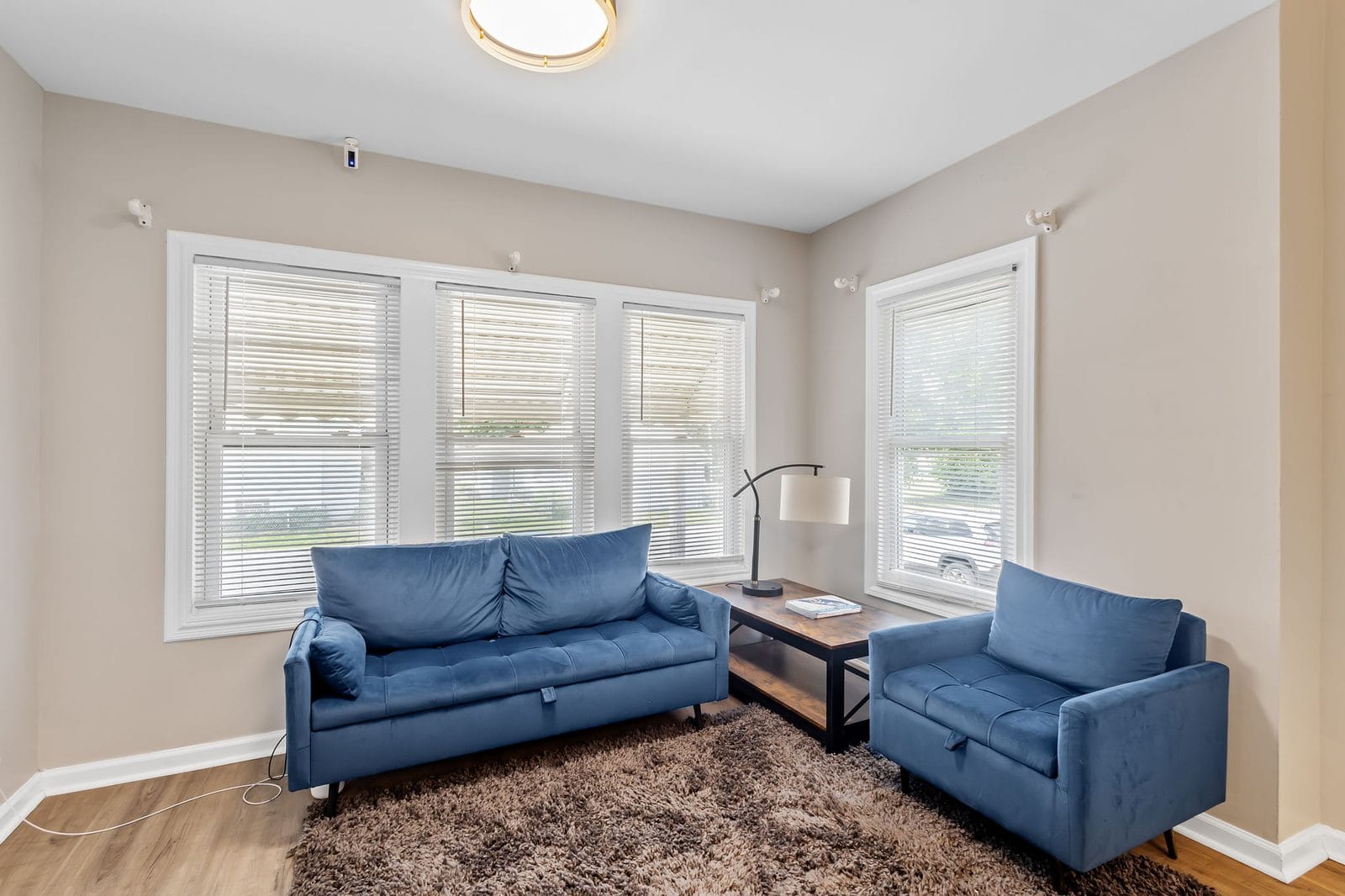
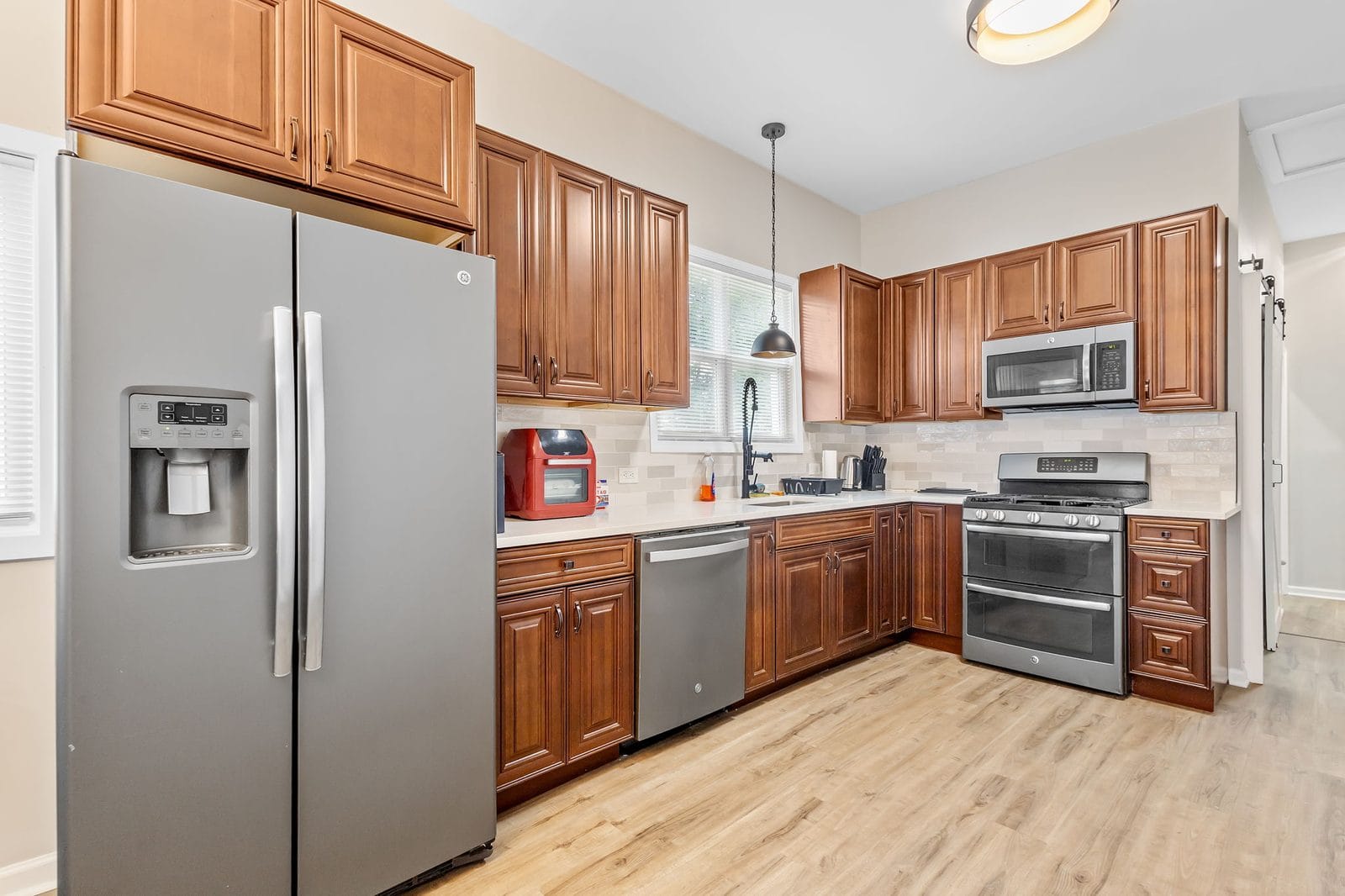
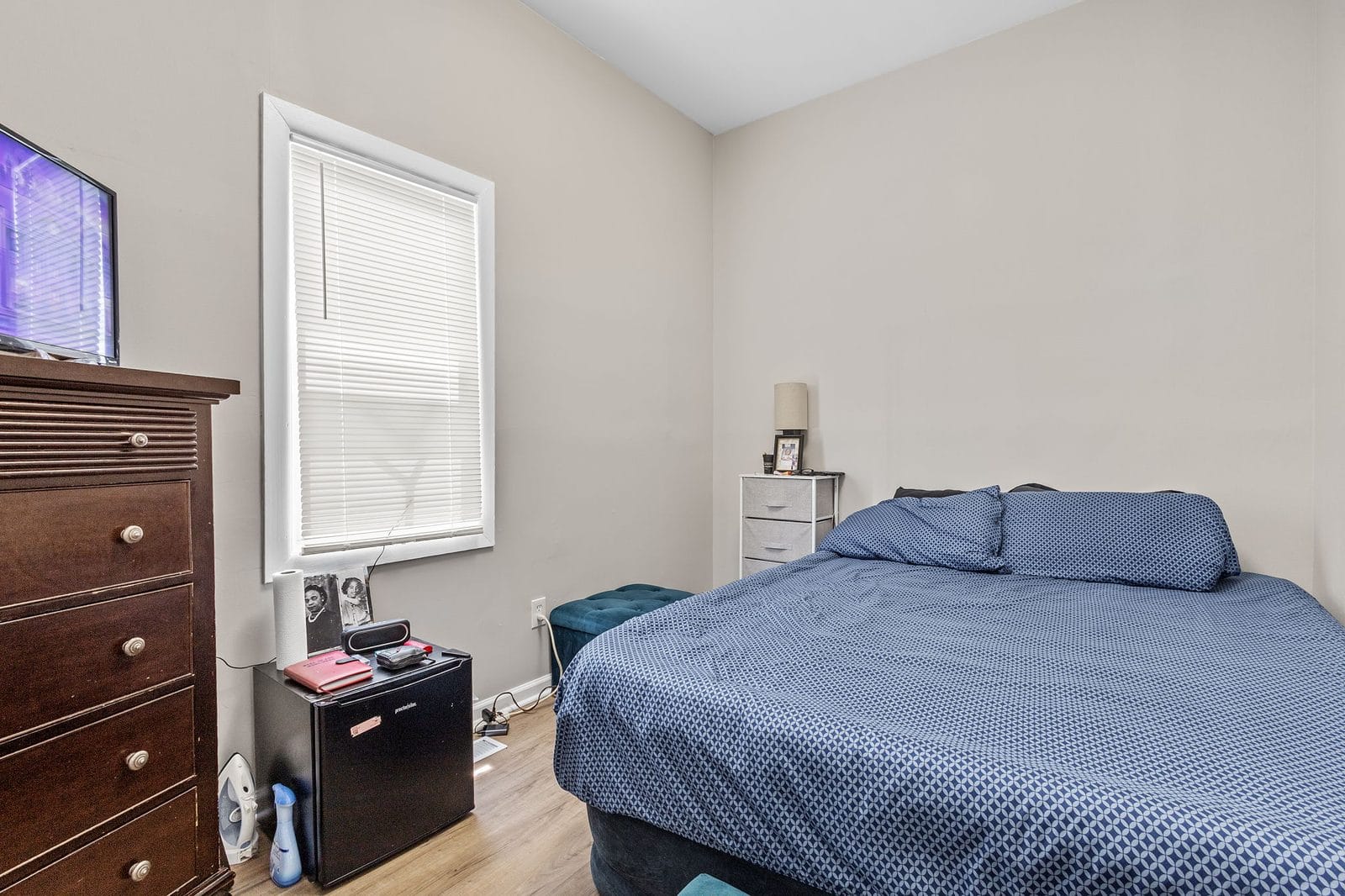
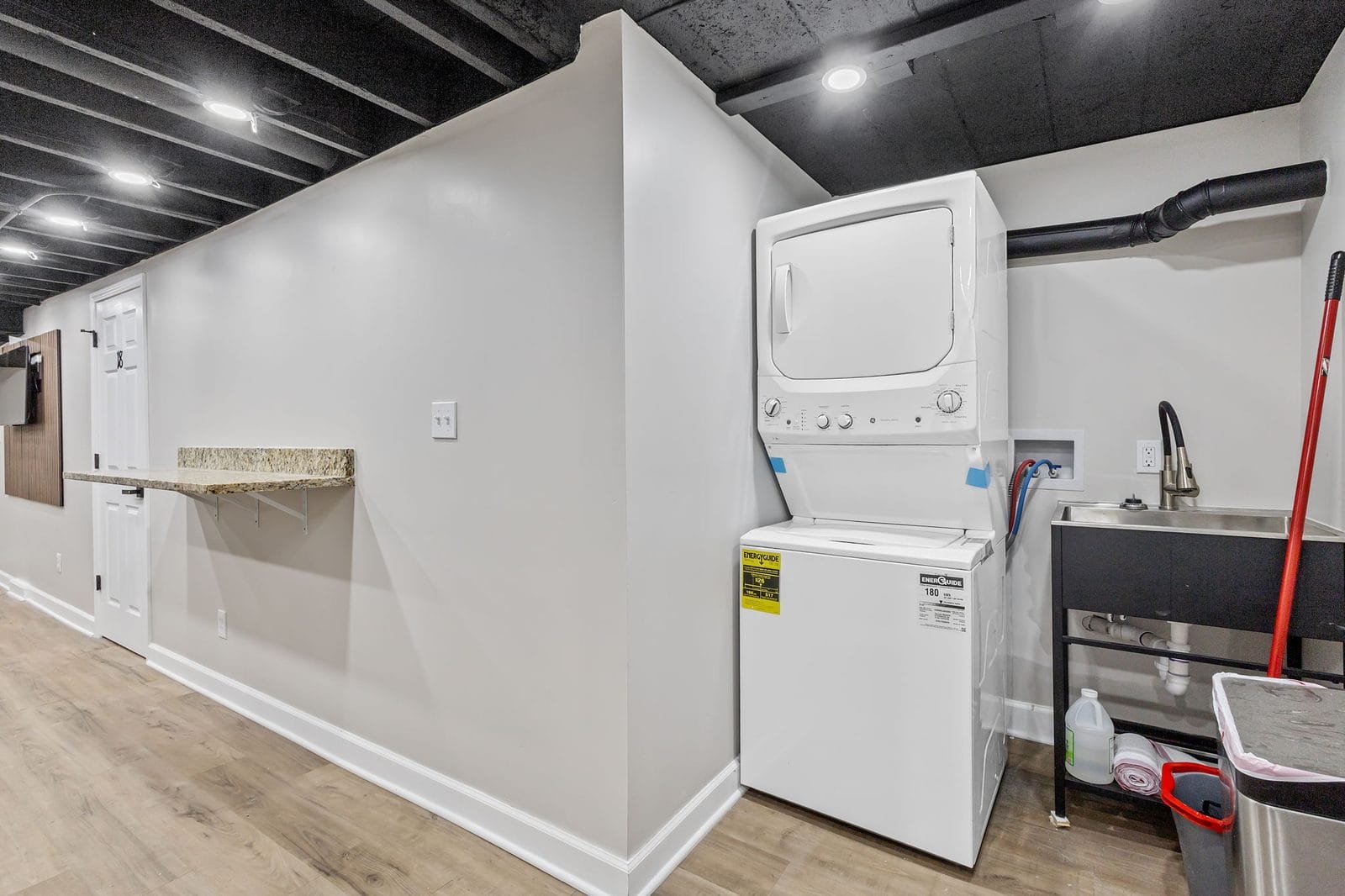
Affordable Living Company offers safe, furnished, affordable shared housing in Hammond, Indiana. Start your application or call 219-200-0497 to learn more about availability.
Affordable Housing in Indiana: FAQs
Where can I find affordable housing in Indiana quickly?
Call Indiana 211 for programs, check local housing authorities, and contact providers with no waiting list. Our affordable housing in Indiana, in Hammond, can often be ready within days.
How much is affordable housing in Indiana?
Prices vary. Our affordable housing in Indiana costs $750 a month with utilities, Wi-Fi and laundry included.
Is there affordable housing in Indiana without a waiting list?
Yes. Government programs often have waiting lists, but our affordable housing in Indiana does not.
Does affordable housing in Indiana require good credit?
Not always. Our affordable housing in Indiana has no minimum credit score.
Is affordable housing in Indiana available for seniors and veterans?
Yes. We offer affordable housing in Indiana to seniors, veterans and working adults alike.